
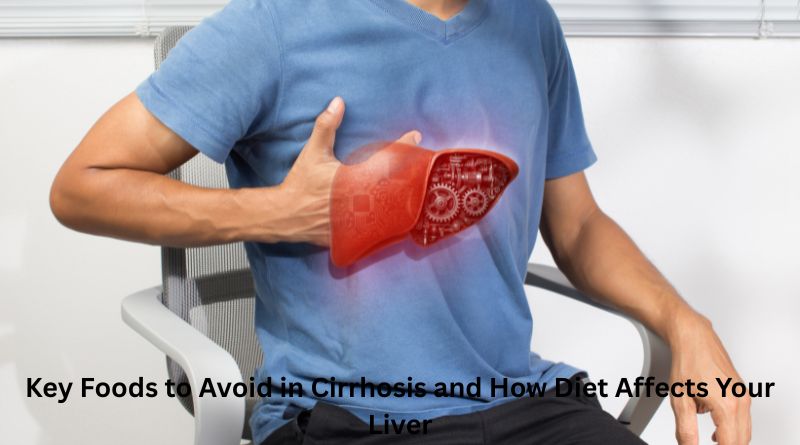
Understanding foods to avoid in cirrhosis is genuinely one of the most impactful steps you can take to slow disease progression. What you eat directly shapes how hard your damaged liver has to work — and some foods make that job significantly harder.
What Are the Worst Foods for Cirrhosis of the Liver?
Alcohol tops the list. Every form — beer, wine, spirits, even desserts cooked with alcohol — must go. A damaged liver cannot metabolize ethanol safely, and even small amounts accelerate fibrosis.
High-sodium foods come next. Chips, canned soups, deli meats, soy sauce, and most fast food push sodium intake way beyond the recommended <2,000 mg/day limit. Excess sodium worsens ascites and edema, two common cirrhosis complications.
Saturated and trans fats — think margarine, shortening, fried foods, commercial pastries — increase fat deposits in already struggling liver tissue. Raw or undercooked seafood (oysters, sushi, rare meat) poses serious infection risk because cirrhosis weakens immune function.
One overlooked source of sodium? Certain medications and even some bottled water brands. Always check labels.
Can I Eat Eggs in Liver Cirrhosis?
Yes — fully cooked eggs are actually a good protein source. The old advice to restrict protein is outdated. A 2017 European Association for the Study of the Liver (EASL) guideline recommends 1.2–1.5 g of protein per kg of body weight daily to prevent muscle wasting. Just avoid raw or soft-boiled eggs due to infection risk.
How to Stop Cirrhosis From Getting Worse?
Diet alone won’t reverse cirrhosis, but it slows progression considerably. Key strategies:
- Eat small meals every 2–3 hours — this prevents your liver from overloading and helps maintain blood sugar
- Prioritize plant-based protein — lentils, beans, tofu produce less ammonia than red meat, reducing encephalopathy risk
- Replace salt with herbs — lemon juice, garlic, ginger, chili, and vinegar add flavour without sodium
- Avoid herbal supplements like kava, comfrey, and valerian — a 2022 review in Hepatology flagged these as potentially hepatotoxic
- Drink coffee. A 2021 meta-analysis in BMC Gastroenterology found that 2–3 cups daily reduced fibrosis progression by up to 44%
Compensated vs. Decompensated: Does Diet Change?
This matters more than most articles mention. In compensated cirrhosis, dietary restrictions are moderate — focus on balanced nutrition and avoiding alcohol. Once decompensation occurs (ascites, variceal bleeding, encephalopathy), restrictions tighten sharply. Sodium drops below 2,000 mg, protein type shifts toward plant sources, and fluid intake may need limiting too.
Which Foods Are Best for Liver Cirrhosis?
Fruits, vegetables, whole grains, oily fish, nuts, and legumes form the foundation. Low-fat dairy — especially probiotic yogurt — supports gut-liver axis health. Chicken and fish replace red meat, which raises ammonia levels and has been linked to hepatic encephalopathy episodes.
A simple day might look like: oatmeal with berries for breakfast, lentil soup with whole-grain bread at lunch, baked salmon with steamed vegetables for dinner, and a small peanut butter snack before bed.
FAQ
Is Banana Good for Liver Cirrhosis?
Bananas are generally safe and provide potassium. However, if you’re on certain diuretics, potassium levels need monitoring — ask your doctor.
Is Chicken Good for Liver Cirrhosis Patients?
Absolutely, skinless chicken is an excelent lean protein choice thats easier on the liver than red meat.
What About Sugar and Sugary Drinks?
Sodas, packaged juices, and energy drinks drive insulin resistance and hepatic fat accumulation. A 2019 study in Journal of Hepatology linked high sugar intake to faster disease progression in cirrhosis patients.
Final Thoughts
Managing cirrhosis through diet isn’t about perfection — its about consistent, smart choices. Cut sodium, eliminate alcohol, choose the right proteins, and work with a hepatologist or dietitian to build a plan tailored to your specific stage. Small daily decisions add up to real differences in liver health.